
Most accessibility work focuses on one website at a time but we improved hundreds simultaneously
The situation
Sitemorse builds and runs digital accessibility auditing platforms used by organisations across the UK, Europe, the US and Asia. Their clients include NHS Digital, the British Dental Association and Ivey Business School. When those organisations need to identify, benchmark and remediate accessibility barriers across their digital services, they rely on Sitemorse's tools to do it. For five years, Impact Focus has been the technical development partner behind those tools.
The problem
There are approximately 1.3 billion disabled users of technology globally. They face barriers every time a website, app or digital service has not been built with their needs in mind. Solving that problem at scale requires more than individual audits. It requires robust, technically precise infrastructure that enables organisations to identify accessibility failures systematically, benchmark their performance against peers and build remediation into their ongoing development processes. Building that infrastructure demands deep WCAG expertise, rigorous development standards and the ability to work at the intersection of technical accessibility and real-world usability.
What made it harder than it looked
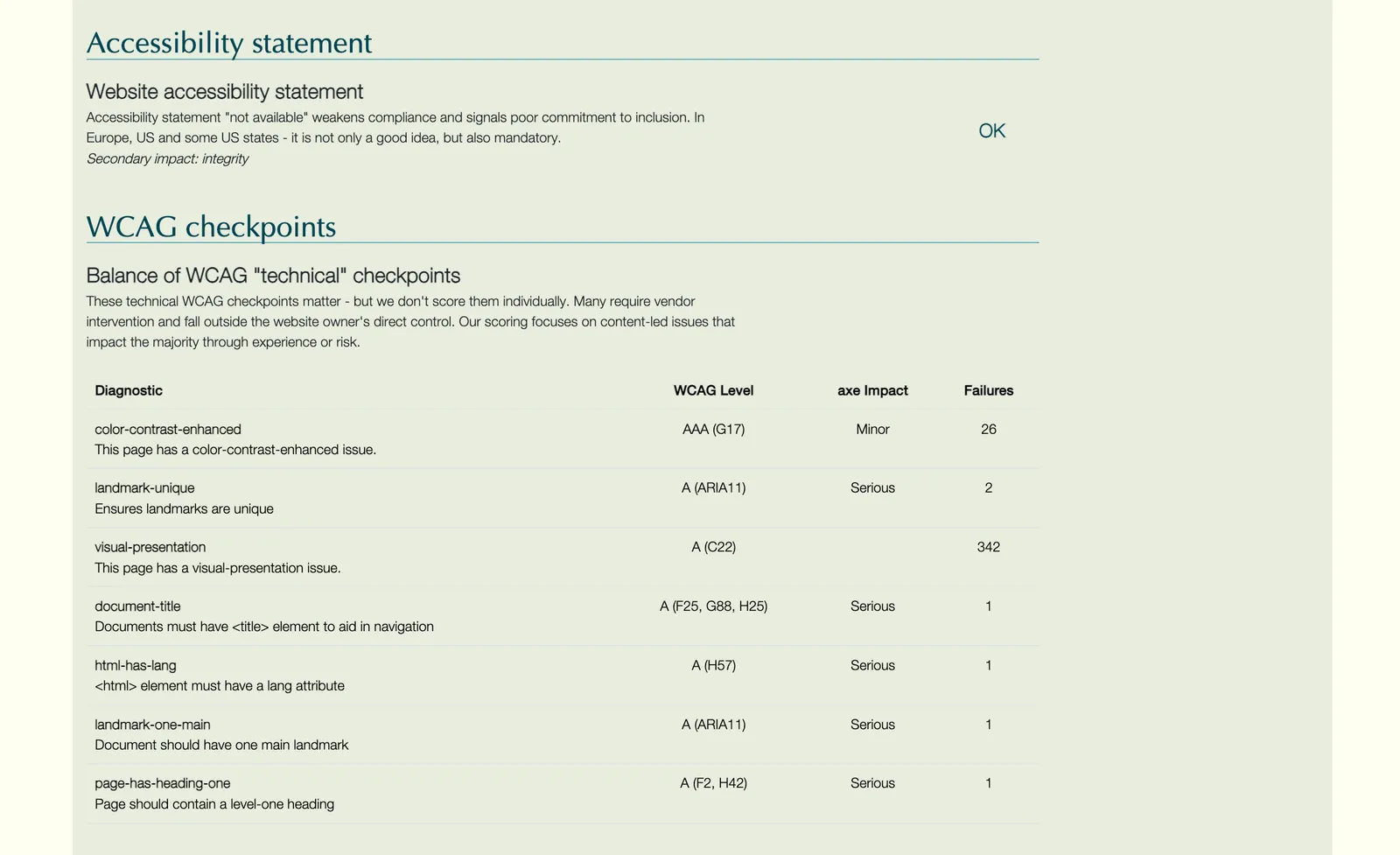
Accessibility auditing software is only as good as its alignment to current standards. WCAG 2.2 is a living framework and the platforms had to reflect that precisely, not approximately. Some of the work involved building products and features that had not existed before.
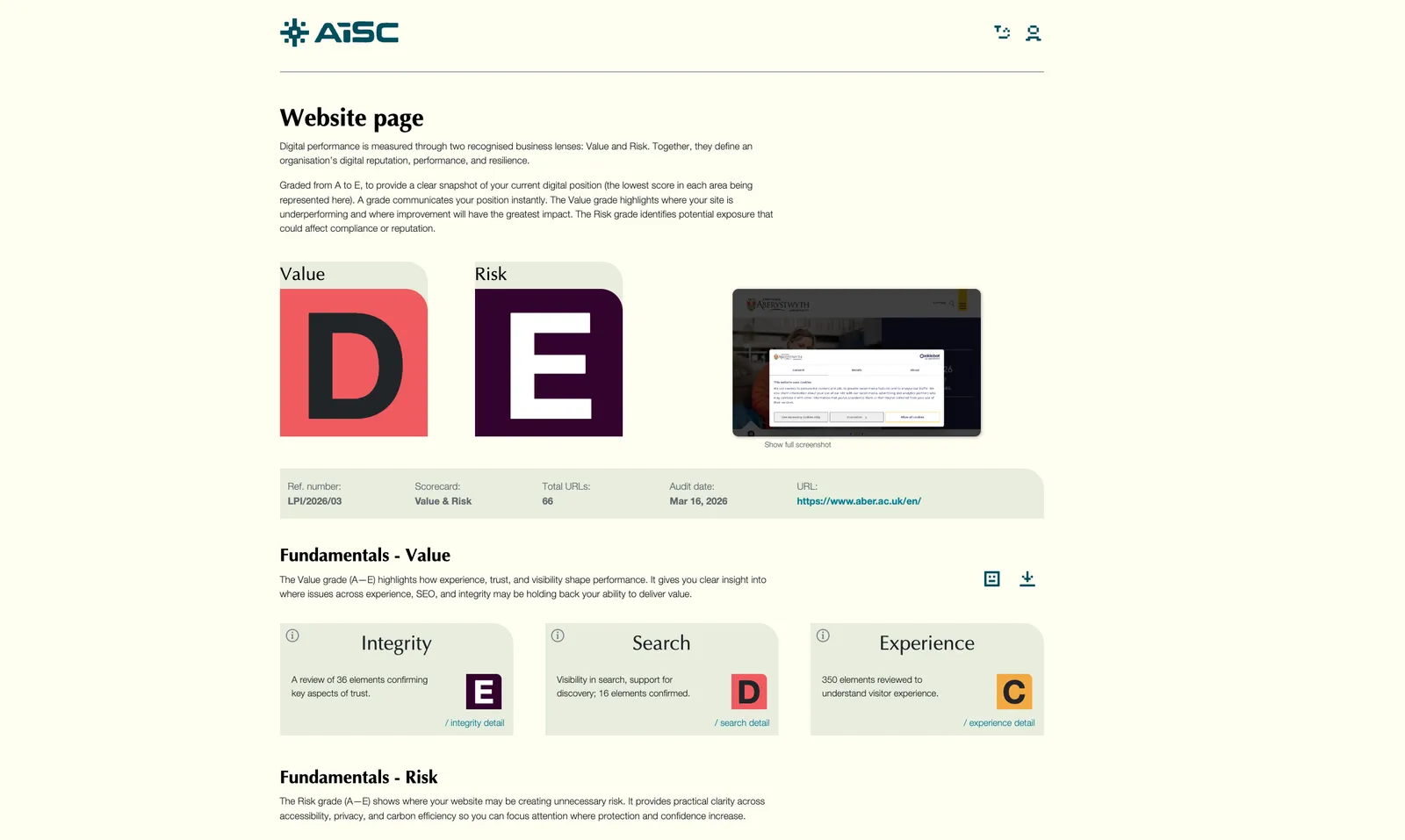
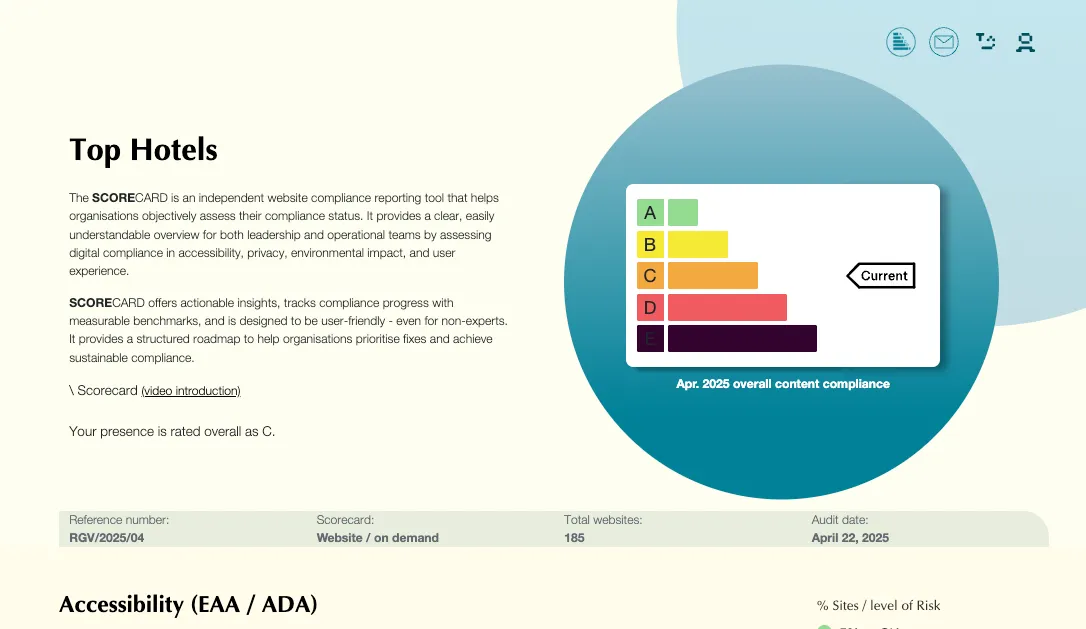
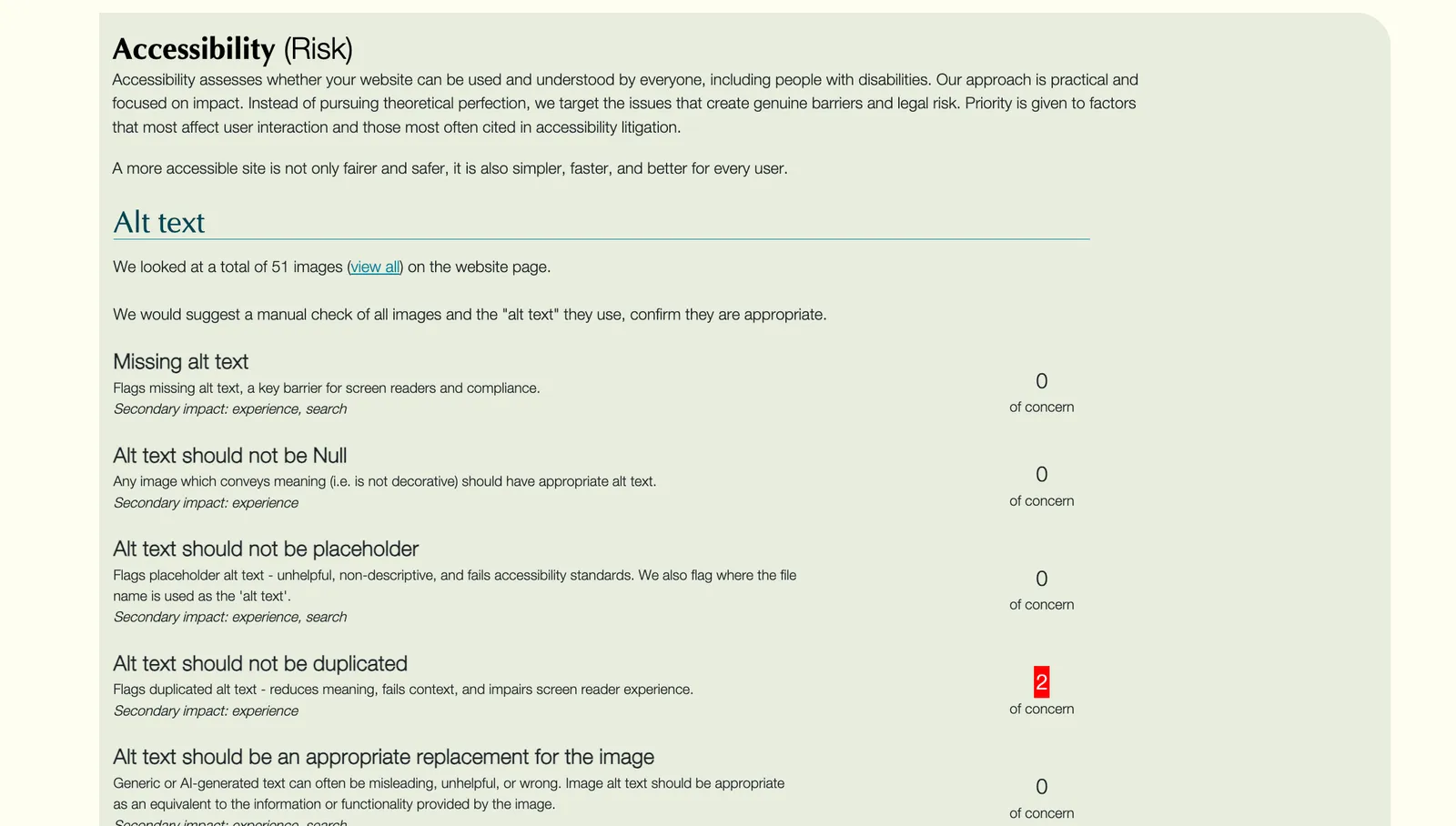
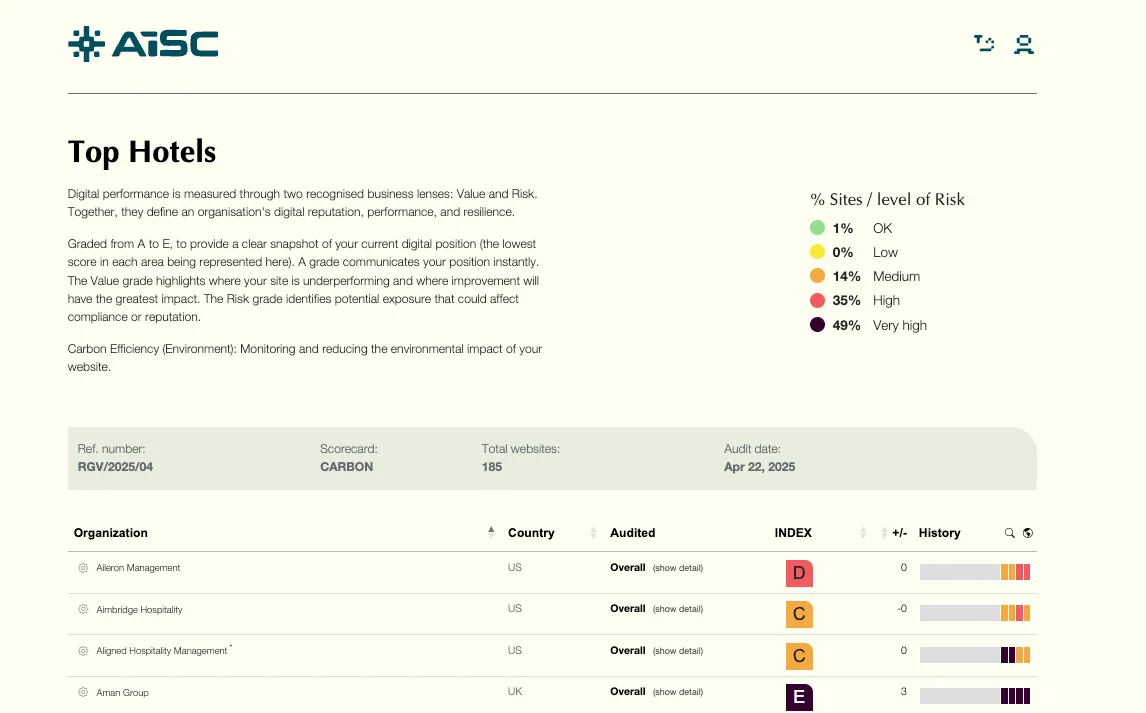
This was a completely new tool: a risk and value scoring tool that analyses digital services and prioritises them by how urgently they need remediation. Creating something genuinely new in a technically demanding, standards-governed field requires both deep subject matter expertise and the ability to translate that expertise into reliable, scalable code.
What we did
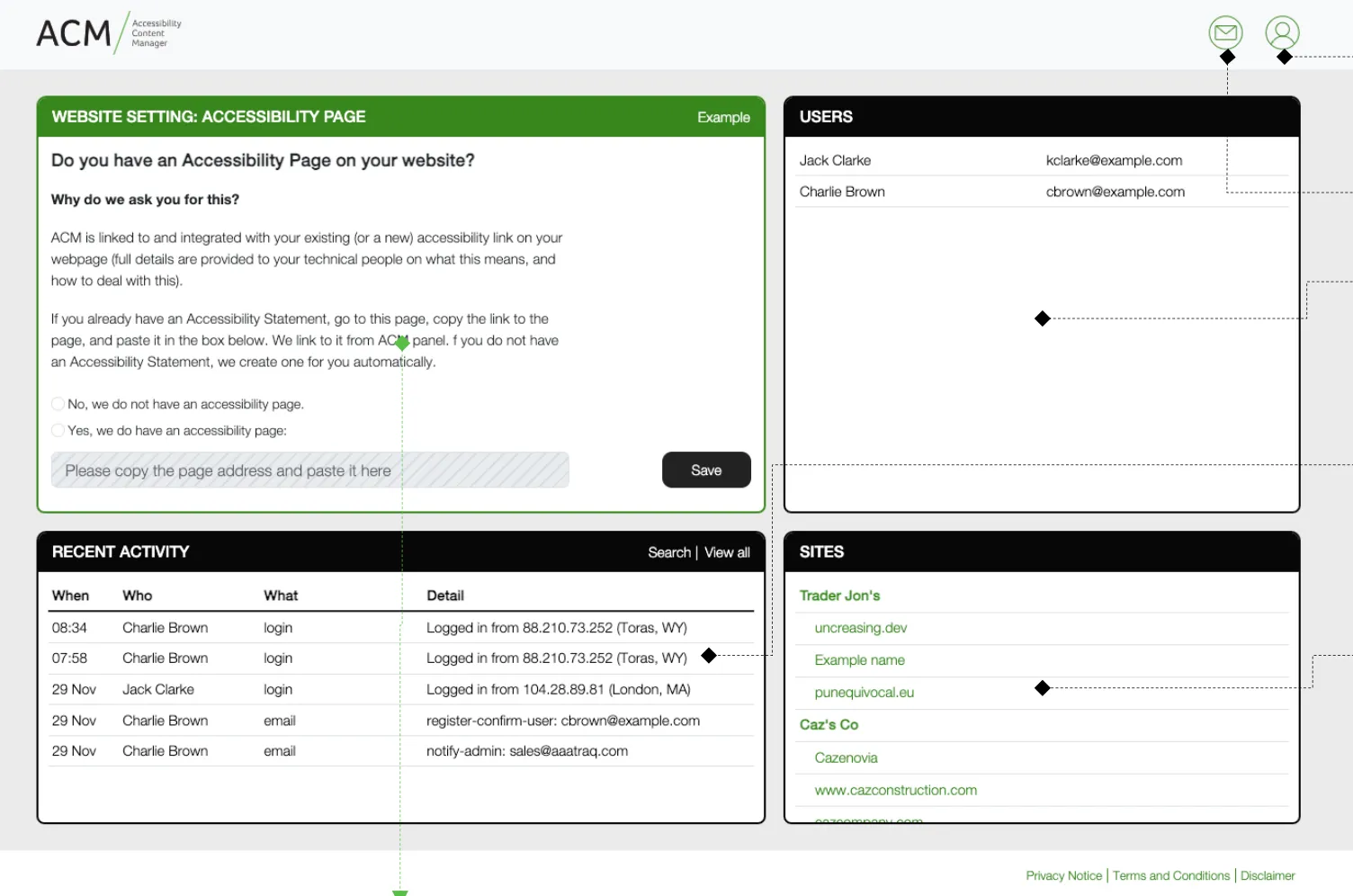
- We acted as technical development partner across Sitemorse's portfolio of platforms over five years, building and maintaining the infrastructure used by organisations worldwide to identify and address digital accessibility barriers.
- We designed and developed new features aligned to WCAG 2.2 standards, applying an ethical, user-centred approach to every UX and development decision.
- We contributed to the development of AiCS, a first-of-its-kind risk and value scoring product that helps accessibility consultants and organisations prioritise remediation work where it matters most.
- We maintained rigorous security and privacy standards throughout, collaborating closely with Sitemorse's internal team and communicating technical complexity clearly to non-technical stakeholders.
What it delivered
- Enhanced auditing platforms used by hundreds of organisations globally including NHS Digital, enabling systematic identification and remediation of accessibility barriers across public and private sector digital services.
- Five years of reliable, high-quality technical contribution that strengthened Sitemorse's product offering and their clients' ability to meet compliance obligations under the Equality Act 2010, the European Accessibility Act and the Americans with Disabilities Act.
- New platform capabilities that did not previously exist in the accessibility tooling market, expanding what organisations can do to understand and address digital exclusion at scale.
- A measurable ripple effect: every organisation that uses Sitemorse's platforms to improve their digital services reaches disabled users who previously encountered barriers. The work is infrastructure-level but the impact is human.
Sound familiar?
If your organisation builds digital products and services and you need accessibility expertise embedded at the development level, not bolted on at the end, that is a brief our team is built for.
“Working with Caz over the past five years has been a great experience. Together, we have helped many organisations raise the bar on digital accessibility, not just ticking compliance boxes, but creating more inclusive, human-centred digital experiences. Thanks to her work, many websites and platforms are now more accessible to more people, including those who rely on assistive technologies. The ripple effect of this work is real: stronger communities, fairer outcomes, and a digital world designed for everyone.”